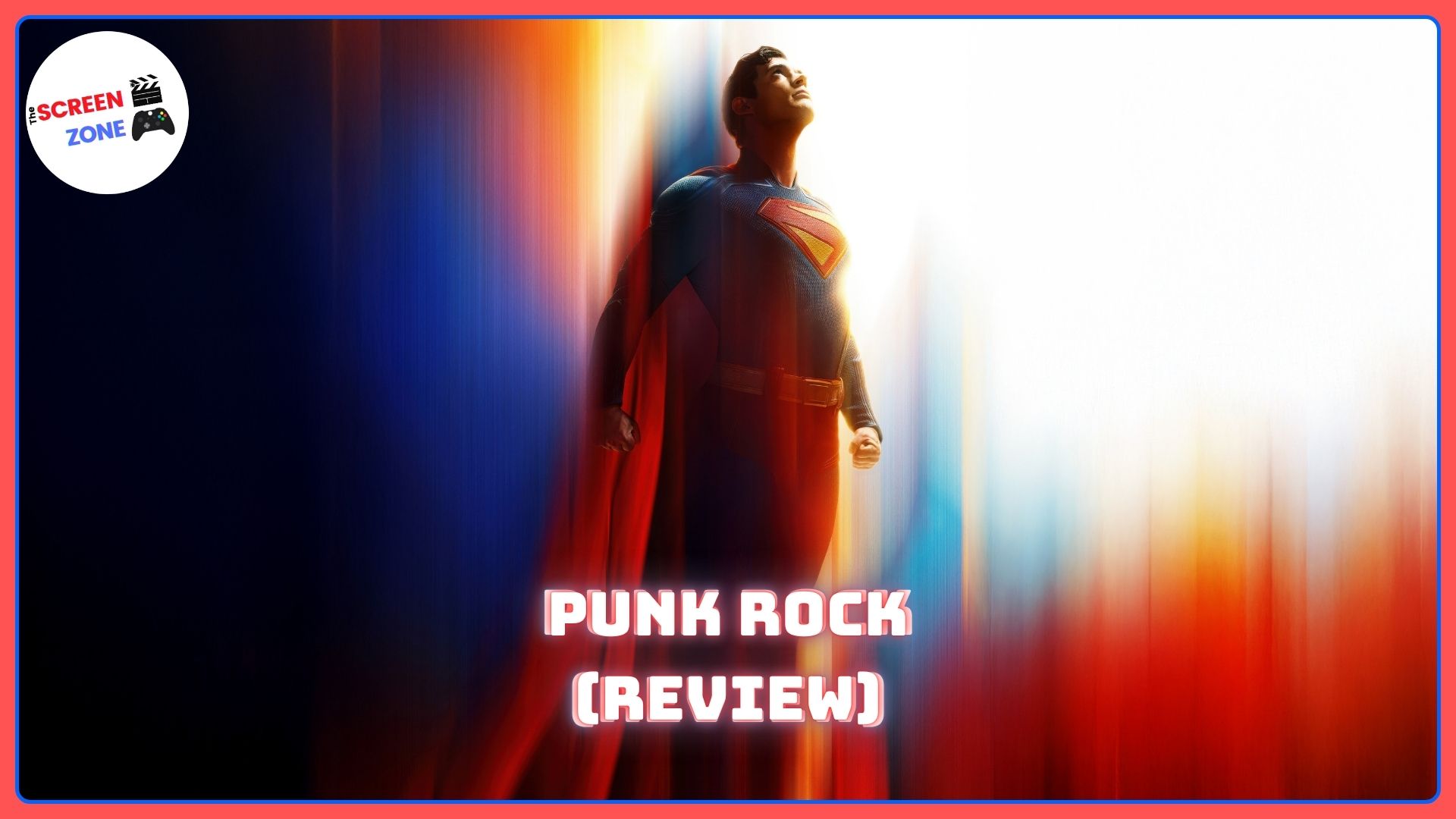

James Gunn’s SUPERMAN has got it all — high-octane action, sincere romance, acts of heroism, kick-ass punk music, comic-book wackiness, and a message that aims to inspire the next generation to do better. It’s also got a cute dog who can fly, and contrary to many corporate IP adaptations, he’s actually important to the story and furthers the characterisation of its hero. It’s exactly the kind of superhero movie the world, and the DC brand, needs right now.
Taking cues from the Richard Donner film, David Corenswet bases much of his demeanour on Christopher Reeve’s portrayal of the big blue boy scout. “But Superman’s BORING!” — I hear you, and that’s a valid concern. Most Superman media, especially live-action films, focus on a singular dimension of the character: the all-knowing, all-good hero. In 2025, that archetype doesn’t quite hold up to the realities of the world, even the sci-fi fantasy that he inhabits, which is the DCU.
Something needed to give, and Gunn’s take on the hero battling media manipulation and hateful/cynical discourse surrounding genuine acts of kindness feels fresh. Superman doesn’t need to change for the world; he needs to show us a better way, and that’s where the reboot succeeds.
Gunn has mentioned All-Star Superman to be a major inspiration for the film, but I think the story could’ve leaned moreinto the existential morality that story explores. With one year left to live, Superman has to ponder his impact on humanity’s progress. Early reports indicated that the reboot would distinctly segment the plot into a weekly structure, giving us a bird’s-eye view of Superman’s life. I wish to see that version, which would’ve further cemented this story as one significant part of a whole.
We’ve had many live-action interpretations of the Superman mythos, but this one certainly takes the cake for being the most outlandish, whimsical, and proud of its comic-book origins. Superman fights a kaiju, restores his strength using the power of the Sun and assistance from robots, almost gets sucked into a black hole, and more. We’ve come a long way since the Donner movies, and I’m glad that the audience can just roll with it.
The opening text establishes the DCU as one inspired by Star Wars and the 90s DC Animated Universe more than the MCU. Anything can happen here, and most of the character dynamics have already been established. We don’t need a complex reason for Lex Luthor hating Superman. He’s just a professional hater, and a very accomplished one at that. Nicholas Hoult’s maniacal yet calculated performance elevates the underwritten character.
Few comic-book romances can retain the attention of adults, with most serving as eye candy or an obligation. Lois and Clark’s relationship is not one of those. More than most live-action adaptations, this relationship relishes in the polar opposite worldviews of its inhabitants. An early standout scene sees Lois, played by the magnetic Rachel Brosnahan, interview (read: totally grill) Clark on his methods of heroism, and I could take two hours of that alone.
The Daily Planet crew can easily serve as background scenery, but Lois and Jimmy are integral to the plot. Lex Luthor’s dumb blond girlfriend is also roped into the plot with significant heft, and never in a million years would I have guessed I’d like a Jimmy-Eve subplot in what sometimes feels like an overstuffed movie. “All weekend?” Comedy gold.
If there’s one criticism I’d offer, it’s that the Jarhanpur-Boravia conflict could’ve been fleshed out. We often hear the phrase, “show, don’t tell” with filmmaking, and having much of the plot revolving around a conflict, and its partial resolution, be done off-camera before the movie starts may be a bit much.
However, I also agree with the side that thinks films should allow and invite audiences to exercise their mind in filling those blanks. It’s hilarious to hear Clark say that he cornered the Boravian president by a cactus. The image I conjure in my mind of that moment is funnier and more ridiculous than whatever the filmmakers could capture on film for a moment like that.
Gunn has always done well with balancing an ensemble cast. From Guardians of the Galaxy to The Suicide Squad, each film gives all of its heroes plenty of screen time and importance to stand out, while anchoring the emotional crux of the story to a central character. The same goes for Superman and the Justice Gang.
It’s wild to think that a DC movie featuring a Green Lantern, Metamorpho, Hawkgirl and Mr. Terrific is doing well at the box office. Edi Gathegi’s Mr. Terrific is a suave scene-stealer, leading a stellar needle drop action sequence that is quickly becoming a Gunn hallmark. Nathan Fillion is the perfect jerk, showing a different side of superheroes while acting as a living piece of world-building.
While Gunn’s filmmaking style has evolved over the years, there are plenty of moments that bring out his whimsical horror roots from Slither. His and cinematographer Henry Braham’s penchant for using wide-angle lenses and kinetic camera movement in action works to great effect. However, there are times when the marriage between the practical and CGI shots falters, reminding me of the sickly climax of The Flash. Thankfully, these shots are kept to a minimum, and most of my worries are carried away by Krypto in the background, chewing away the scenery and bad guys’ helmets.
Another equally important element is John Murphy’s score, reusing notes from John Williams’ iconic Superman theme, but modernised without losing the earnestness, much like the film itself. The film inspired confidence in the new DCU (we’re not counting Blue Beetle, not that you shouldn’t watch it).